

As a fund research analyst, my primary focus is on dissecting the intricate data behind investment vehicles to uncover true value.
In the current 2026 financial landscape, the quest for stable, meaningful income is more challenging than ever. This guide provides a clear, actionable framework for selecting the best global bond fund for income generation.
We will delve into the critical bond fund selection criteria and explore how to choose global bond funds for high income without taking on undue risk.
The objective is not merely to chase the highest yield, but to construct a resilient income-focused portfolio grounded in rigorous analysis.
Key Criteria for a Top Global Bond Fund for Income
Pro Tip: Before fixating on the advertised distribution yield, your first point of analysis should be the fund’s Total Expense Ratio (TER) and its credit quality breakdown. A low TER is a direct contributor to your net return, while a portfolio skewed towards lower-grade bonds (below ‘BBB’) may offer a higher yield but introduces significant default risk that can erode both income and principal.
Selecting a global bond fund requires a multi-faceted approach. Investors must look beyond the surface-level advertised returns and scrutinise the underlying mechanics of the fund.
This involves a granular analysis of its portfolio, fee structure, and sensitivity to macroeconomic shifts. A disciplined evaluation ensures the chosen fund aligns with your specific income requirements and risk tolerance.
Analysing Yield: What Is a Good Yield for an Income Fund?
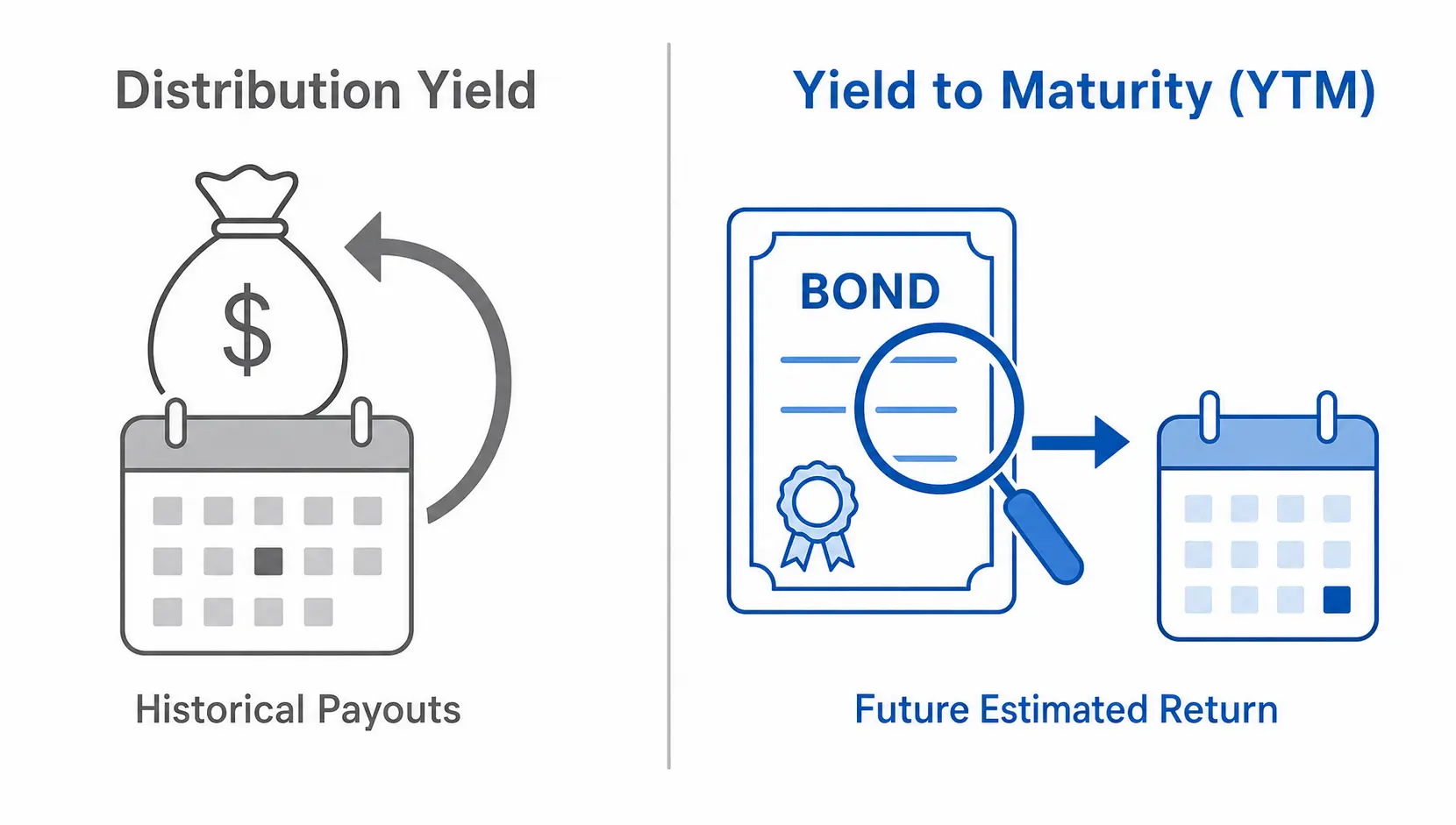
The term ‘yield’ can be misleading if not properly understood. A fund’s Distribution Yield reflects the income paid out to investors over the past year, but it doesn’t always indicate future performance.
A more insightful metric is the Yield to Maturity (YTM), which estimates the total return an investor can expect if they hold the fund’s underlying bonds until they mature.
In 2026, with central bank rates showing signs of stabilisation after a volatile period, a ‘good’ yield from a diversified global bond fund should be benchmarked against indices like the Bloomberg Global Aggregate Bond Index.
A fund consistently outperforming this benchmark’s YTM, without a disproportionate increase in risk, is a strong candidate.
As of late 2026, a YTM in the range of 4.5% to 5.5% for a fund with a strong investment-grade core would be considered competitive.
| Metric | What It Tells You | Analyst’s View |
|---|---|---|
| Distribution Yield | Historical income paid out. | Useful for cash flow projection, but can be backward-looking and may include return of capital. |
| Yield to Maturity (YTM) | Estimated total return if bonds are held to maturity. | A more predictive measure of a fund’s future income-generating potential. The superior metric for analysis. |
| SEC Yield (30-Day) | Standardised calculation of a fund’s income over the last 30 days. | Provides a recent, standardised snapshot, but can be volatile. |
Evaluating Risk: Understanding Credit Quality and Interest Rate Sensitivity
Income generation should never be viewed in isolation from risk. The two primary risks in bond fund investing are credit risk and interest rate risk.
“As a fund analyst, my first check is the percentage of the portfolio allocated to ‘AAA’ and ‘AA’ rated bonds versus ‘BBB’ or high-yield securities. A fund positioned for sustainable income should have at least 70% of its holdings in the investment-grade category (BBB- or higher).” – William Lee
Credit Quality:
This refers to the likelihood that a bond issuer will be unable to make its promised payments. Rating agencies like Moody’s and S&P provide ratings that help assess this risk.
Investment-grade bonds (Baa3/BBB- and above) have a lower risk of default compared to high-yield (or ‘junk’) bonds. While high-yield bonds offer higher income, they carry a greater risk of capital loss.
Interest Rate Sensitivity (Duration):
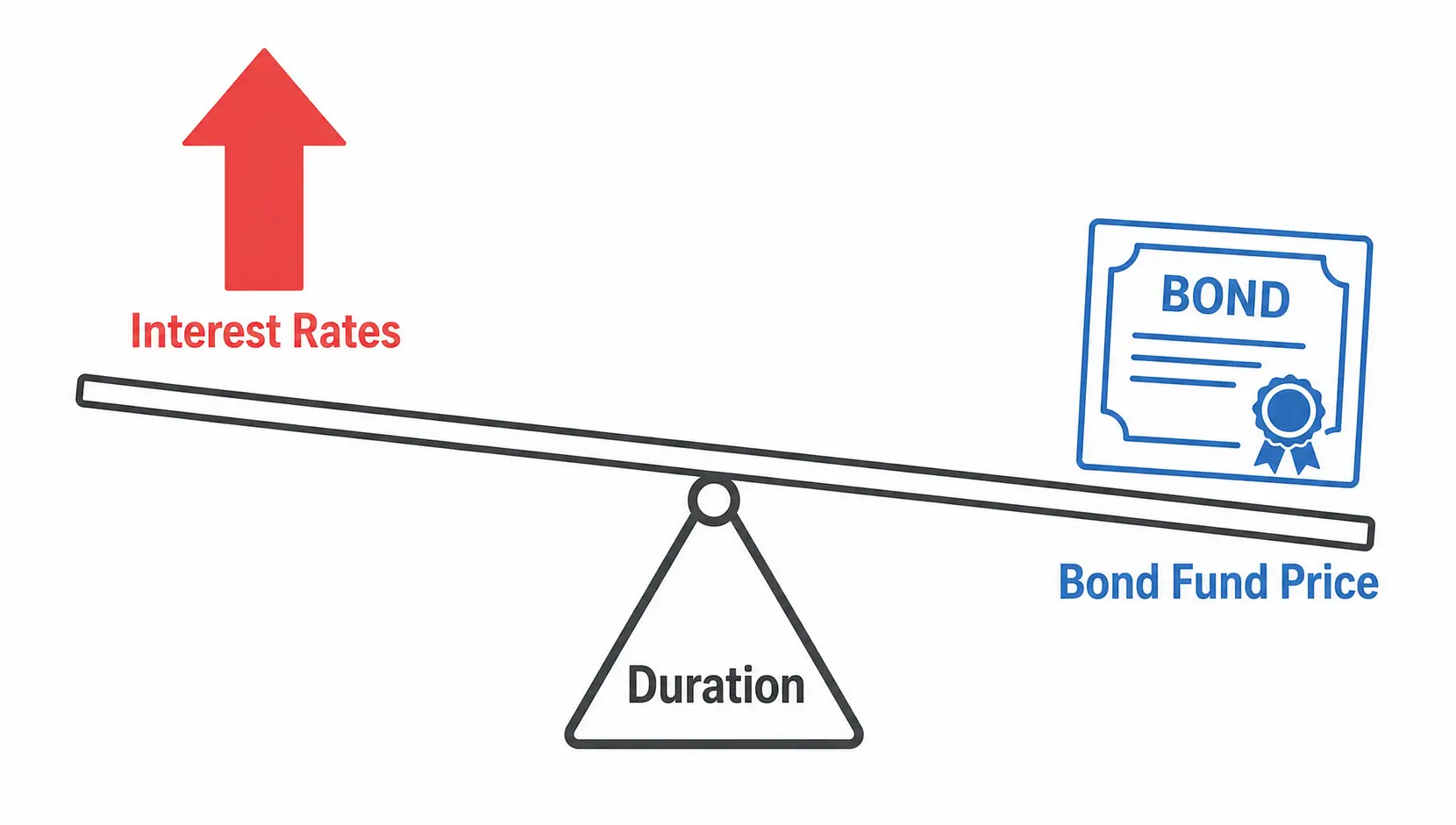
Duration is a measure, expressed in years, of a bond or bond fund’s price sensitivity to changes in interest rates.
According to Investopedia, a fund with a duration of 5 years will likely see its price fall by approximately 5% for every 1% rise in interest rates.
For income-focused investors, particularly those in or nearing retirement, a fund with a lower duration (typically under 7 years) is preferable as it offers more price stability.
Risk Warning: Do not assume that ‘global’ diversification automatically mitigates all risks. A global bond fund is exposed to currency fluctuations. While some funds use hedging strategies to minimise this, these strategies are not perfect and add to the fund’s costs. Always check the fund’s prospectus for its currency hedging policy.
Comparing Fund Types: ETFs vs Mutual Funds for High Income Global Bond Funds
Pro Tip: For the core of an income portfolio, a low-cost, passively managed global aggregate bond ETF is often the most efficient choice. For satellite allocations, an actively managed mutual fund can be used to target specific opportunities in areas like emerging market debt or corporate bonds, where a skilled manager can potentially add significant value (alpha).
The choice between an Exchange-Traded Fund (ETF) and a traditional Mutual Fund is a critical one. Both vehicles offer diversification, but their structures, costs, and management styles create different outcomes for the income investor.
Key Differences in Structure, Cost, and Management
ETFs are traded on stock exchanges like individual shares, offering intraday liquidity and price transparency.
They are predominantly passively managed, meaning they aim to replicate a specific index, which results in lower Total Expense Ratios (TERs). Mutual funds, on the other hand, are priced once per day after the market closes.
Many global bond mutual funds are actively managed, with a fund manager making decisions to buy and sell bonds to outperform a benchmark. This active management comes at a higher cost.
| Feature | Global Bond ETFs | Global Bond Mutual Funds |
|---|---|---|
| Trading | Intraday on an exchange | Once per day at Net Asset Value (NAV) |
| Cost (TER) | Generally lower (e.g., 0.10% – 0.35%) | Generally higher (e.g., 0.50% – 1.25%+) |
| Management | Typically passive (tracks an index) | Often active (manager selects bonds) |
| Transparency | High; holdings are disclosed daily | Lower; holdings disclosed quarterly or semi-annually |
| Best for | Cost-sensitive investors, core portfolio holdings, tactical asset allocation | Investors seeking potential outperformance through active management in complex markets |
Frequently Asked Questions
1. Which bond funds are best for generating income?
From an analyst’s perspective, there is no single ‘best’ fund; the optimal choice is relative to an investor’s risk tolerance.
However, funds that focus on high-quality, investment-grade global government and corporate bonds tend to offer the most reliable income streams.
Funds benchmarked to the Bloomberg Global Aggregate Index are a good starting point. For those with a higher risk appetite, emerging market debt funds can offer superior yields, but this comes with increased volatility and credit risk.
2. How do rising interest rates affect global bond funds?
When interest rates rise, newly issued bonds offer higher yields, making existing bonds with lower yields less attractive. This causes the market price of existing bonds—and therefore the Net Asset Value (NAV) of a bond fund—to fall.
As explained by the concept of duration, funds with a longer average duration will experience a larger price drop. However, for a long-term income investor, rising rates are not entirely negative.
The fund can reinvest the principal from maturing bonds and new cash inflows into new, higher-yielding bonds, which increases the fund’s future income generation potential.
3. What are the main risks of investing in a global bond fund for income?
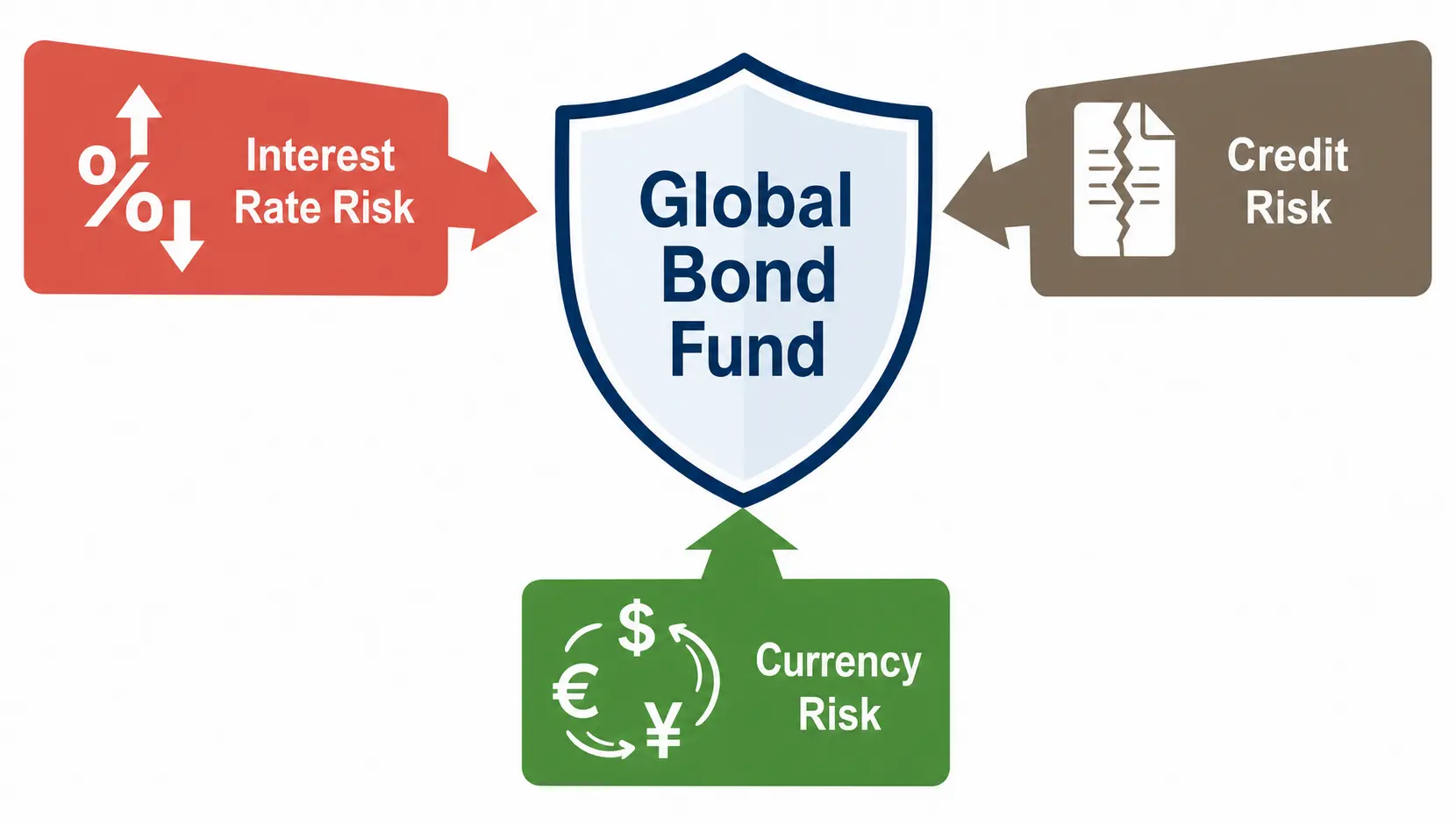
The primary risks are threefold:
1) Interest Rate Risk: The risk that rising interest rates will decrease the fund’s NAV.
2) Credit Risk (or Default Risk): The risk that the issuers of the bonds held by the fund will fail to make their interest or principal payments. This is a greater concern for funds with significant holdings in high-yield bonds.
3) Currency Risk: The risk that fluctuations in exchange rates between the Malaysian Ringgit and the currencies in which the bonds are denominated (e.g., USD, EUR, JPY) will negatively impact returns when converted back to MYR.
William Lee’s Final Thoughts
Numbers don’t lie. True value in the pursuit of income lies not in the highest advertised yield, but in a fund’s long-term performance, low management costs, and a risk profile that aligns with your financial objectives. The most successful income portfolios are built on a foundation of diligent, data-driven analysis, not on chasing short-term trends. Scrutinise the fund’s factsheet, analyse its expense ratio, and understand its duration and credit quality. This analytical approach is the surest path to selecting a robust global bond fund for sustainable income generation.
Sources & Methodology
William Lee strictly relies on primary regulatory data and authoritative official information to ensure accuracy. Data cited in this guide is sourced from:
*Disclaimer: The content of this article represents the personal views of the author (William Lee) and is for educational and reference purposes only. It does not constitute professional investment or financial advice. Trading and investing involve significant risk; proceed with caution.*
